
Dreaming of Tibet, China? A Stress-Free Guide to Know Before Your Journey
Tibet has a way of capturing the imagination like few places on Earth. Towering mountains and ancient monasteries shaped by centuries of tradition create a destination that feels both remote and unforgettable. For many travelers, a journey to Tibet sits high on the bucket list, yet the planning can feel overwhelming.
The good news is that visiting Tibet does not have to be complicated. This guide covers everything you need to know before your Tibet journey. Aim to let you focus on the experience, not the logistics.
1. Why Tibet Feels Complicated (But Doesn’t Have to Be)
For many foreigners, Tibet feels like one of those trips that requires endless planning, complicated logistics, and a sense of adventure reserved for mountaineers and backpackers. The reality is very different. Modern transport, comfortable accommodation, and carefully planned itineraries have made Tibet far more accessible than most people expect.
Myth 1: “Getting to Tibet is difficult.”
Reality: Reaching Tibet is easier than ever.
Lhasa is well connected to major Chinese cities through regular domestic flights, making it possible to start your journey from business hubs such as Beijing, Shanghai, Guangzhou, Shenzhen, and Chengdu with minimal hassle.
Myth 2: “Tibet is only for adventurous travelers.”
Reality: Tibet is no longer just a destination for hardcore explorers.
Today, travelers can choose to join a small group tour that includes comfortable hotels, private vehicles, experienced local guides, and hassle-free itineraries.
Myth 3: “I need weeks to explore Tibet.”
Reality: You can experience the highlights in less than a week.
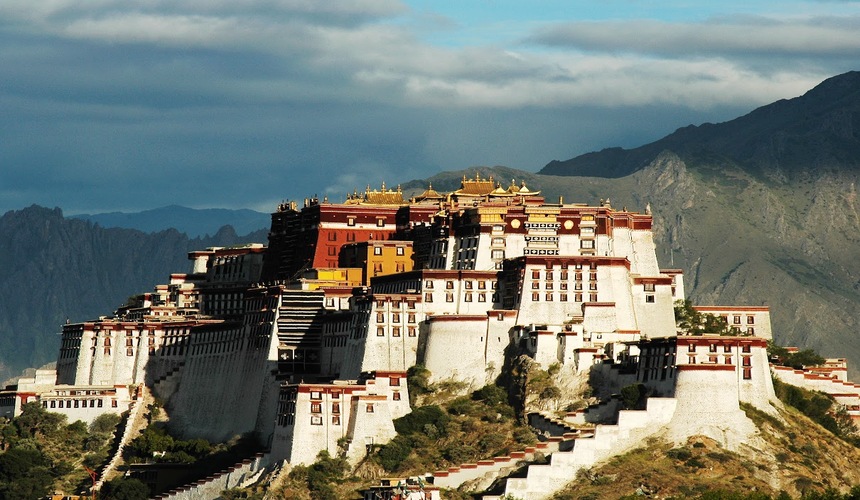
A well-planned five to seven-day itinerary gives you enough time to visit Lhasa’s historic landmarks, explore traditional monasteries, experience Tibetan culture, and enjoy spectacular Himalayan scenery.
2. FAQs about Tibet Travel Permit
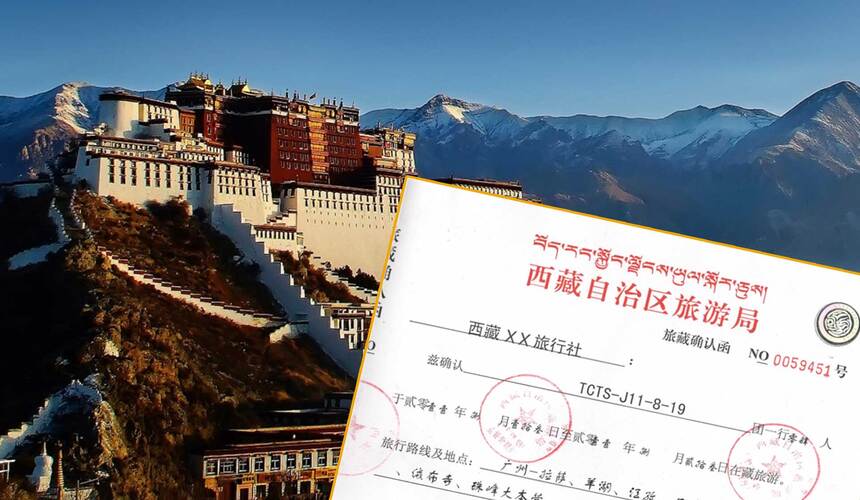
Foreign travelers are required to obtain a Tibet Travel Permit before entering the region, as a standard Chinese visa or residence permit alone is not sufficient for travel to Tibet.
What Is the Tibet Travel Permit?
The Tibet Travel Permit is an official document required for all foreign passport holders visiting Tibet Autonomous Region, including expatriates who live and work in China. Unlike other destinations in China, foreign travelers cannot apply for this permit independently. Instead, it is arranged through a licensed travel agency as part of your travel booking.
In most cases, once your itinerary is confirmed and your documents have been submitted, the agency handles the application process on your behalf. This removes much of the complexity and allows you to focus on planning the experience rather than navigating administrative procedures.
What Documents Are Needed?
The application process typically requires only a few basic documents:
- A valid passport.
- A valid Chinese visa or residence permit.
- Basic personal information for the application.
- Your planned travel dates and itinerary details.
Depending on your nationality, occupation, or visa status, additional documents may occasionally be requested.
How Long Does the Process Take?
The Tibet Travel Permit typically takes around 5–9 working days to be processed by the Tibet Tourism Bureau. To avoid unnecessary stress, we recommend starting the application process at least 25 days before your planned departure to Tibet.
If your travel plans are more urgent, an expedited permit service may be available. In most cases, urgent applications can be processed within 4–5 working days; an additional fee usually applies.
Can I apply for the Tibet Travel Permit without a tour package to Tibet?
No, independent travel in Tibet is currently not permitted for foreign visitors. The only way to visit Tibet is as part of an organized tour arranged through a licensed Chinese travel agency. All travel arrangements must be booked in advance, and your journey in Tibet must be accompanied by a licensed local tour guide throughout the trip.
3. The Best Time to Visit Tibet
Tibet offers something special in every season. The best time to visit ultimately depends on your travel style, priorities, and schedule.
Our Recommendation for Busy Professionals and Families
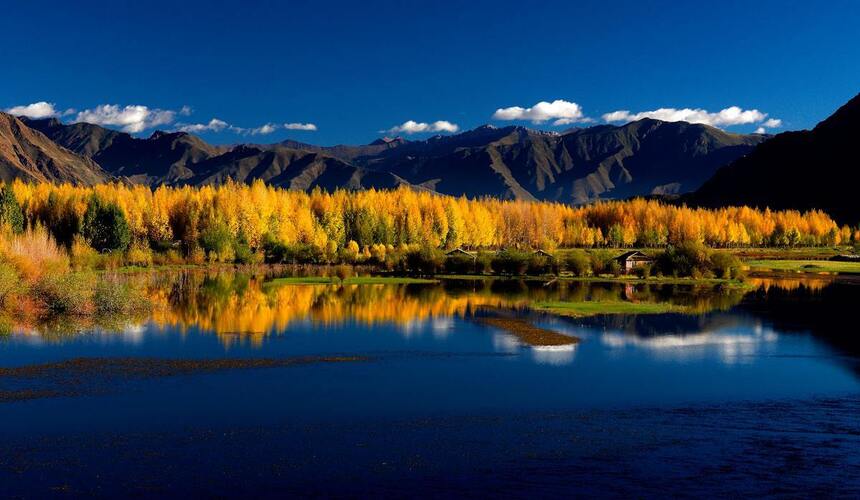
September and October are the ideal months to visit Tibet. The weather is comfortable for sightseeing, with mild daytime temperatures and clear skies that offer spectacular views of the Himalayas.
This period also strikes a good balance between accessibility and atmosphere. While Tibet remains popular during autumn, it generally feels less crowded than the peak summer holiday months, allowing for a more enjoyable travel experience.
4. How to Manage Altitude Without Stress
For many first-time visitors, altitude is the biggest concern about traveling to Tibet. Lhasa sits at approximately 3,650 meters above sea level, and some areas of Tibet are even higher.
Before You Arrive
A few small steps before departure can make your first days in Tibet much more comfortable.
- Stay hydrated in the days leading up to your trip, as dry mountain air can increase dehydration.
- Avoid excessive alcohol consumption before and during your journey, as alcohol can make altitude symptoms feel worse.
- Get plenty of sleep before departure so your body starts the trip well rested and ready to adjust.
During Your First 24 Hours
The first day in Tibet is all about slowing down. The goal is simple: give your body time to adapt and avoid rushing the experience.
- Take time to rest after arrival instead of immediately filling your schedule with sightseeing.
- Avoid strenuous exercise or long walks, even if you feel perfectly fine.
- Choose lighter meals and drink water regularly throughout the day.
During the Rest of Your Journey
Once your body begins to acclimatize, most travelers can comfortably enjoy their itinerary.
- Travel at a relaxed pace rather than trying to see everything in one day.
- Pay attention to your body and communicate with your guide if you feel uncomfortable.
- Keep warm, especially in the mornings and evenings when temperatures can change quickly.
5. What Kind of Tibet Experience Should Expats Choose?
Not every Tibet journey needs to look the same. The best itinerary depends on your available time, travel style, and who you are traveling with. Whether you have one week between business commitments or are planning a once-in-a-lifetime family adventure, there is a Tibet experience to match your pace.
First-Time Visitors (5–7 Days)
Recommended Route: Lhasa → Yamdrok Lake → Tibetan monasteries
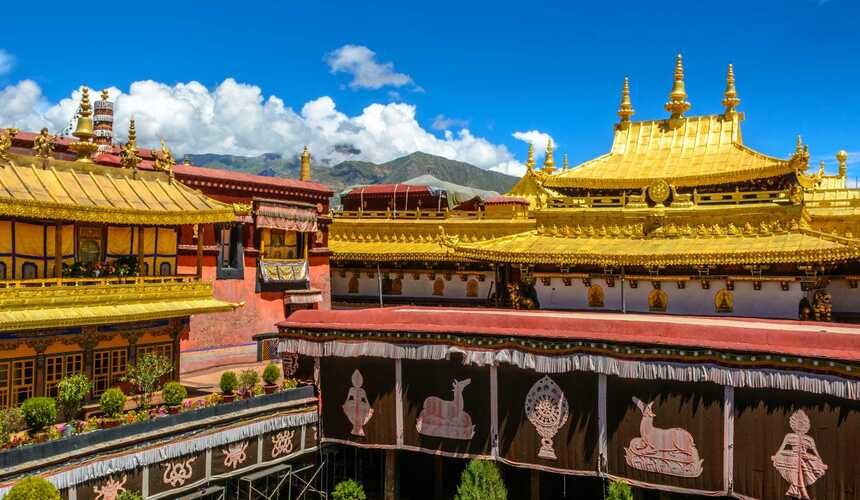
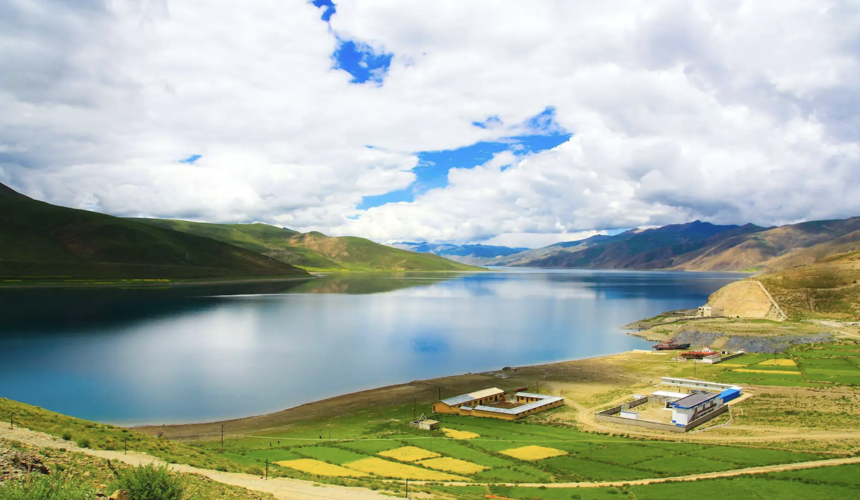
If this is your first trip to Tibet, focus on the classics. Spend time exploring Lhasa’s historic landmarks, visit centuries-old monasteries, and experience the breathtaking beauty of the turquoise waters of Yamdrok Lake. This itinerary provides the perfect balance of culture, scenery, and comfort without requiring long travel days or complicated logistics.
Best for: Busy professionals, first-time visitors, and travelers with limited annual leave.
Recommended Route: Lhasa → Shigatse → Everest Base Camp
For travelers looking to tick a major item off their bucket list, extending the journey west opens the door to one of the world’s most iconic destinations: Mount Everest Base Camp.
The route passes through dramatic mountain landscapes, remote Tibetan towns, and spectacular Himalayan viewpoints before reaching Everest itself. The longer travel time rewards visitors with some of Tibet’s most unforgettable scenery.
Best for: Adventure seekers, photographers, and bucket-list travelers.
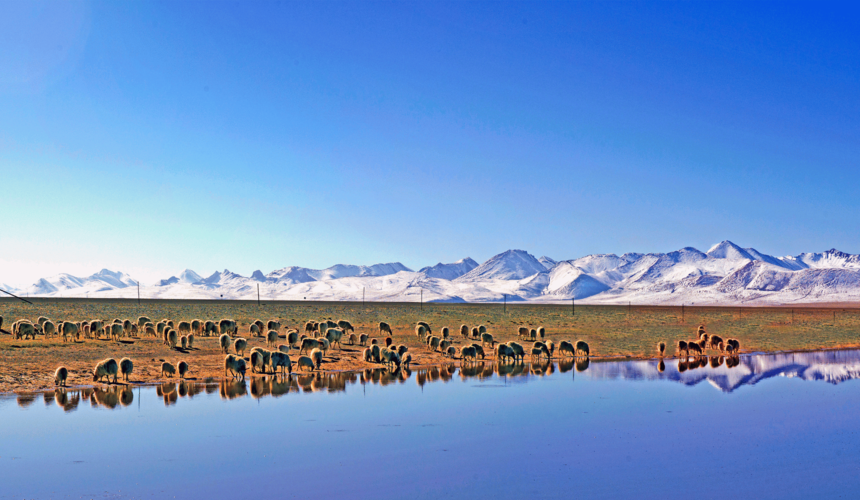
Recommended Route: Lhasa + cultural experiences + scenic lakes
Families often enjoy a slower itinerary with shorter travel days and more opportunities for cultural experiences. Visiting monasteries, exploring local markets, and enjoying scenic drives to Tibet’s beautiful lakes create a journey that appeals to both adults and children.
Private vehicles and flexible schedules make travelling with children significantly easier, while the unique culture and landscapes offer memorable experiences for all ages.
Best for: Parents travelling with children and multi-generational family groups.
For many travellers, Tibet remains one of those “someday” destinations. In reality, visiting Tibet has never been more accessible. The key is simple: plan ahead, travel at a comfortable pace, and let us handle the logistics. Contact us at [email protected] or reach out via WhatsApp at +86 18721978867. Let us help you create a seamless and memorable travel experience.