

10 Ancient Towns Where History Still Lives in China
China’s ancient towns preserve centuries of history through traditional architecture and local customs that continue today. These destinations reveal how people lived, traded, and built communities across different dynasties. Offer you a direct connection to China’s cultural heritage.
However, these towns are more than preserved historical sites. They remain active communities where residents maintain traditional lifestyles and festivals. This article introduces 10 ancient towns where history still lives, highlighting the experiences that make them worth visiting.
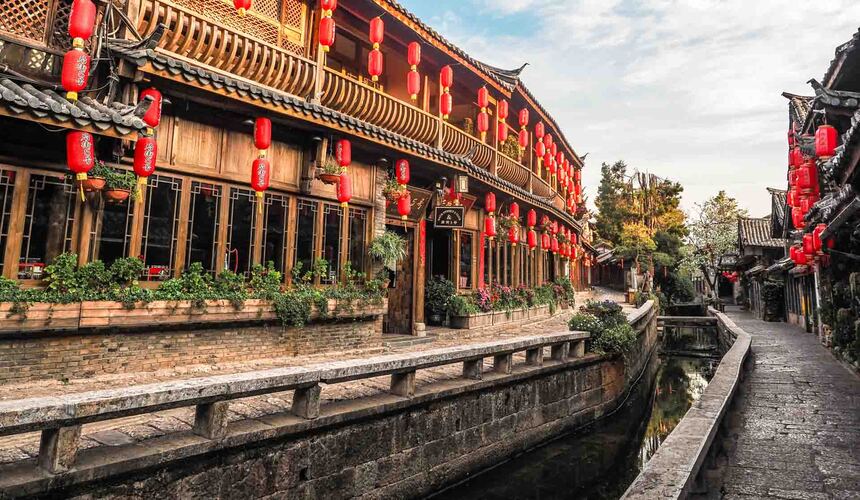
Lijiang Ancient Town, Yunnan; A Living Cultural Heritage Site
Lijiang Ancient Town preserves more than 800 years of history through its wooden buildings and stone-paved streets. The town developed as an important trading hub along ancient routes, where merchants and different cultures exchanged goods and ideas.
Today, you can explore its narrow lanes and admire the distinctive architecture of the Naxi people. The town also offers views of Jade Dragon Snow Mountain, creating a unique connection between cultural heritage and the surrounding landscape. With its preserved traditions and active local community, Lijiang provides you with a glimpse into the daily life and history of old China.
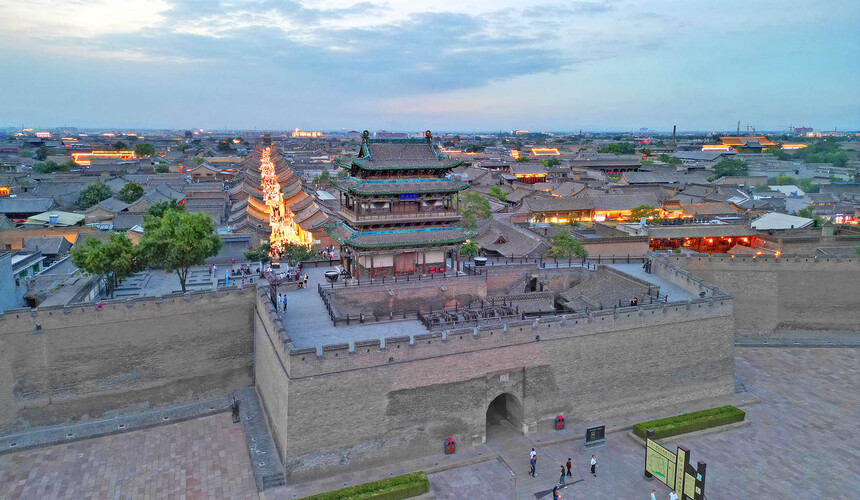
Pingyao Ancient City, Shanxi: A Window into Imperial China
Pingyao Ancient City is one of China’s best-preserved walled cities, boasting a history that spans over 2,700 years. Its well-preserved streets and city walls provide a clear picture of urban life during the Ming and Qing dynasties.
However, Pingyao is not only an architectural landmark. You can walk through its ancient gates, explore traditional courtyards, government offices, temples, and merchant residences that reflect the city’s historical importance. The town was also a major financial center and played a key role in the development of China’s early banking system.
Today, Pingyao allows travelers to experience the structure of a traditional Chinese city and understand how commerce, government, and daily life were connected in imperial China.
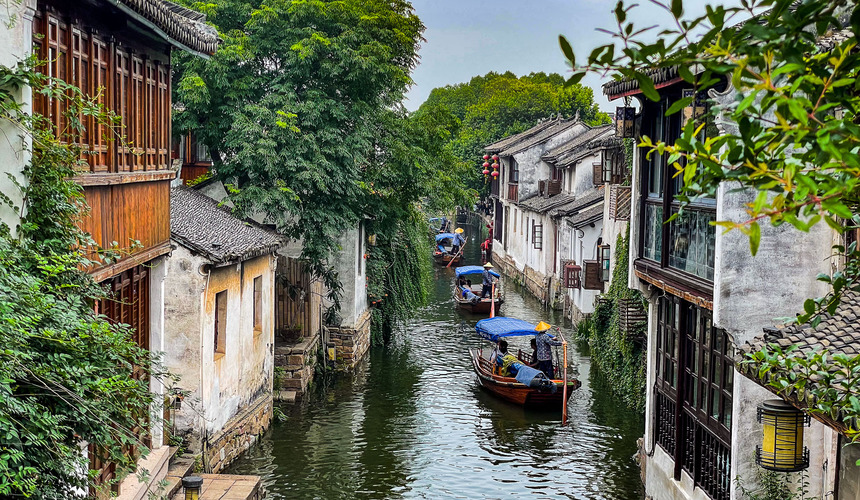
Zhouzhuang Water Town, Jiangsu: China’s Historic Water Village
Zhouzhuang Water Town is one of China’s oldest and best-preserved water towns, known for its canals and traditional riverside residences. Founded more than 1,000 years ago, the town grew around a network of waterways that connected local communities and supported regional trade.
Today, you can explore Zhouzhuang by traditional boat, passing beneath ancient bridges and along canals lined with historic homes. Many of these residences were built by wealthy merchants and reflect the town’s importance as a commercial center in the past. Zhouzhuang offers you a closer look at how people lived and traded in ancient Jiangnan communities.
Wuzhen Water Town, Zhejiang: A Preserved Jiangnan Community
Wuzhen Water Town is a historic Jiangnan village known for its variety of canals. The town has preserved its original layout, including stone-paved roads, riverside homes, and historic workshops for more than 1,300 years.
However, Wuzhen is more than an architectural attraction. You can discover traditional craft workshops, sample local dishes, and observe daily life along the waterways. In the evening, lanterns illuminate the old streets and canals, revealing the town’s historic character after sunset.
By combining preserved architecture with living traditions, Wuzhen provides you with a detailed view of how communities developed around China’s southern waterways.

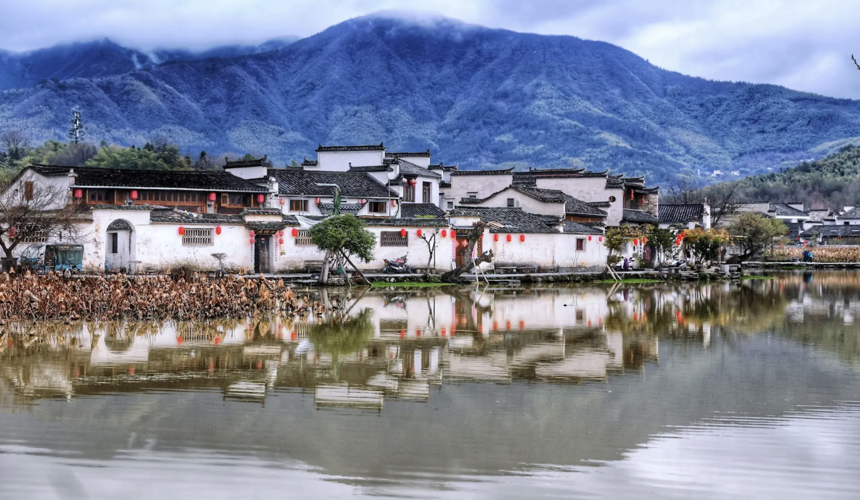
Hongcun Village, Anhui: A Model of Traditional Chinese Village Design
Hongcun Village is a historic village in Anhui Province, known for its traditional architecture and carefully planned water system. Established during the Song dynasty and expanded during the Ming and Qing periods, the village reflects centuries of Chinese residential design and community planning.
The village features white-walled houses, dark tiled roofs, narrow lanes, and ponds connected by an ancient water network. These elements not only create a distinctive landscape but also demonstrate how traditional villages adapted their design to local geography and daily needs.
Today, you can walk through Hongcun’s historic streets, study its courtyard homes and understand the principles behind ancient Chinese village planning. Its architecture provides valuable insight into the relationship between people and settlement design in traditional China.
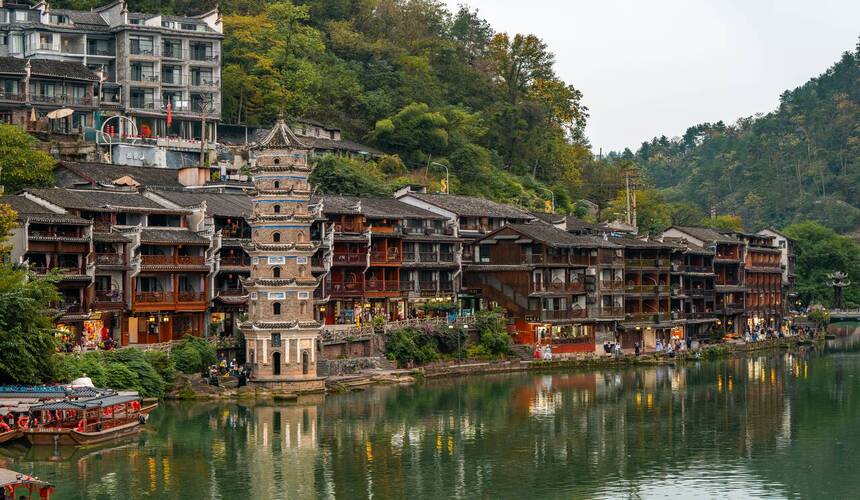
Fenghuang Ancient Town, Hunan: A Riverside Heritage Community
Fenghuang Ancient Town is a historic riverside settlement next to Zhangjiajie. Known for its wooden stilt houses and traditional bridges along the Tuojiang River. Founded more than 300 years ago, the town has preserved much of its original layout and reflects the architectural traditions of southern China.
However, Fenghuang’s importance extends beyond its historic structures. The town has long been home to Miao and Tujia communities. You can learn about the cultural practices that have shaped the region. With its preserved architecture and living ethnic traditions, Fenghuang offers you an opportunity to understand the connection between landscape and community.

Xitang Ancient Town, Zhejiang: A Water Town of Bridges and Canals
Xitang Ancient Town is a historic water town in Zhejiang Province, recognized for its covered corridors and interconnected canals. Unlike many larger tourist destinations, Xitang has preserved its traditional layout, allowing you to observe how residents continue to live among historic buildings and waterways.
The town’s narrow streets are lined with traditional houses and tea shops that reflect the daily life of Zhejiang Province. You can walk beneath centuries-old covered walkways and explore riverside neighborhoods.

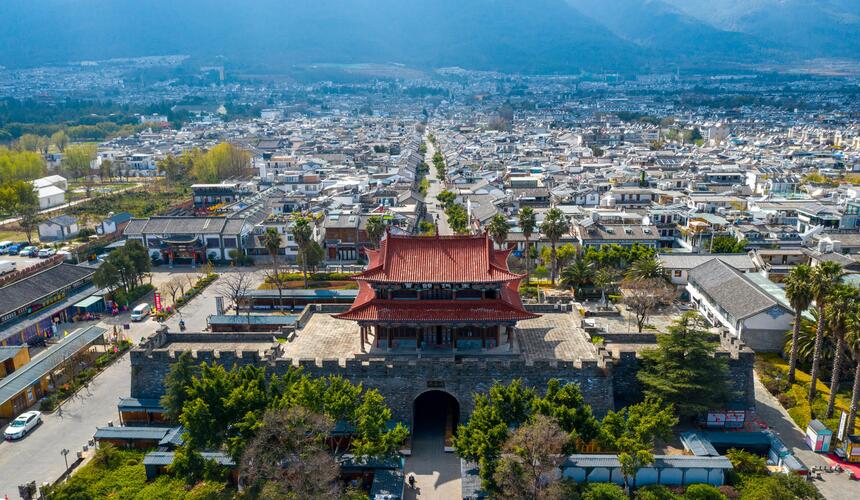
Dali Ancient Town, Yunnan: A Cultural Center Between Mountains and Lake
Located between Cangshan Mountain and Erhai Lake, Dali Ancient Town is a historic settlement known for its natural setting for more than 1,000 years. Bai ethnic culture is also connected to the ancient Nanzhao and Dali kingdoms.
However, Dali is more than a historical site. You can tour around the traditional Bai-style courtyard houses, visit ancient temples, and walk along streets that reflect the region’s diverse cultural influences. The surrounding mountains and lake also provide insight into how geography shaped the development of local communities. By combining historical heritage with living traditions, Dali offers you a deeper understanding of the relationship between landscape and society.
Zhaoxing Dong Village, Guizhou: A Mountain Community of Dong Culture
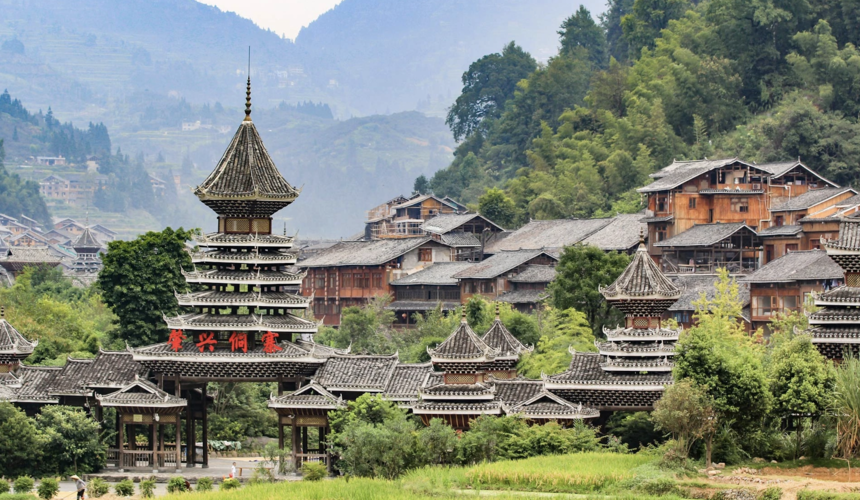
Zhaoxing Dong Village is a traditional Dong ethnic community known for its wooden houses with drum towers. The village has preserved many aspects of Dong culture, including traditional architecture, music and social customs.
However, the drum towers are more than architectural landmarks. They have historically served as gathering spaces where villagers met, shared information, and held community activities. Today, you can stroll through the village, listen to Dong folk music, and experience local festivals that continue to connect generations.
Shaxi Ancient Town, Yunnan: A Historic Trading Hub on the Tea Horse Road
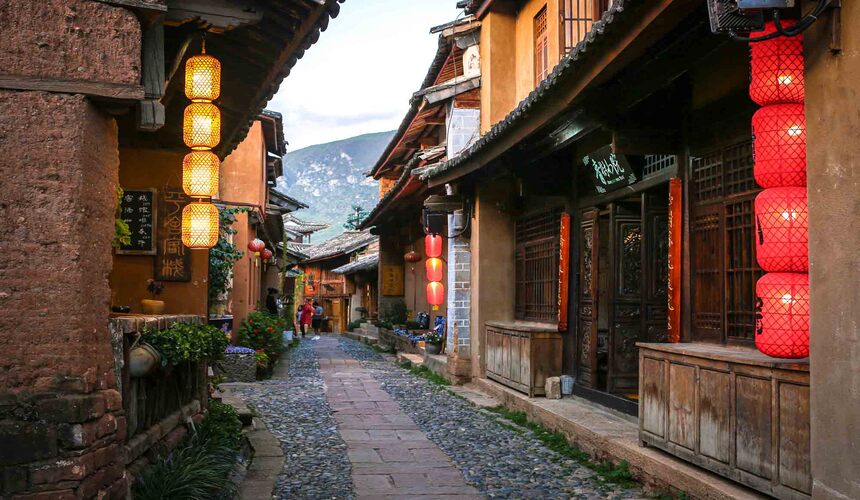
Shaxi Ancient Town was once an important trading center along the ancient Tea Horse Road, a network that connected southwestern China with regions to the west. The town developed around trade and transportation, leaving behind historic streets that reflect its role in regional exchange.
However, Shaxi has preserved a quieter character compared with many better-known ancient towns. You can explore the old market square, walk through traditional streets, and visit historic temples that once served merchants and travelers along the trade route.
By preserving its connection to the Tea Horse Road, Shaxi allows you to understand how commerce, culture, and communities developed across ancient China’s southwestern frontier.
China’s ancient towns show that history is not limited to museums or historical records. It remains visible in old streets, traditional homes, local festivals, and the daily lives of residents. A journey through these towns is not simply a visit to historic places; it is an opportunity to understand the stories behind centuries.