
Forbidden City in Beijing Reveals Secret Imperial Garden After a Century
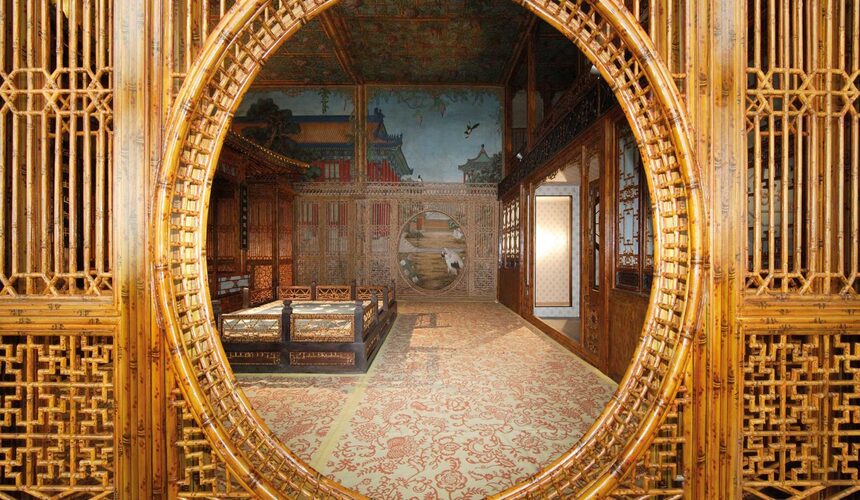
The Forbidden City has long stood at the centre of Beijing and the heart of China’s imperial history. Tucked within its vast grounds lies the 87,000-square-foot Qianlong Garden, a secluded retreat designed and built by Emperor Qianlong in the 1770s for his retirement years. This once-hidden masterpiece is now finally open to visitors.
Qianlong Garden
Decked out in intricate marquetry, carved jade, and beautifully embroidered silk windows. The garden offers a glimpse into Emperor Qianlong’s love of elegance and opulence. One of the highlights is the building’s private theatre, nearly 2,700 square feet of breathtaking trompe l’oeil murals that completely cover the ceilings and walls. Create an immersive and remarkably lifelike experience.
Please note that tickets for the Qianlong Garden must be reserved and purchased online in advance. As daily visitor numbers are limited, we highly recommend booking at least 7–10 days ahead to secure your preferred date.
Must-See Spots Inside the Forbidden City
The Forbidden City served as the political and ceremonial heart of China for more than 500 years. Completed in 1420, it was home to 24 emperors along with their families and imperial attendants. Throughout the Ming (1368–1644) and Qing (1644–1911) dynasties. Spanning an impressive 961 meters from north to south and 753 meters from east to west, the complex is made up of over 90 palace compounds and 980 buildings. It is also encircled by a 52-meter-wide moat, adding to its grandeur and historic sense of protection.
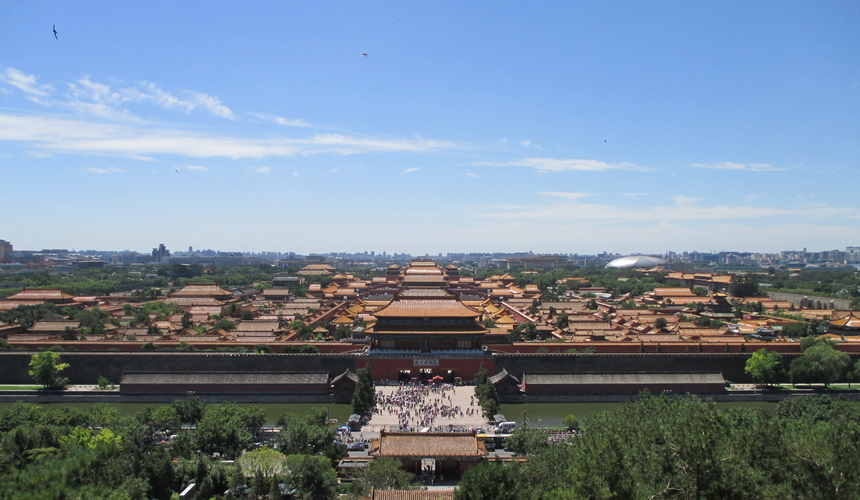
The Forbidden City is generally divided into two main sections: the Outer Court and the Inner Court. The Outer Court was primarily used for state affairs and grand ceremonial occasions, where emperors conducted official duties and hosted important events.
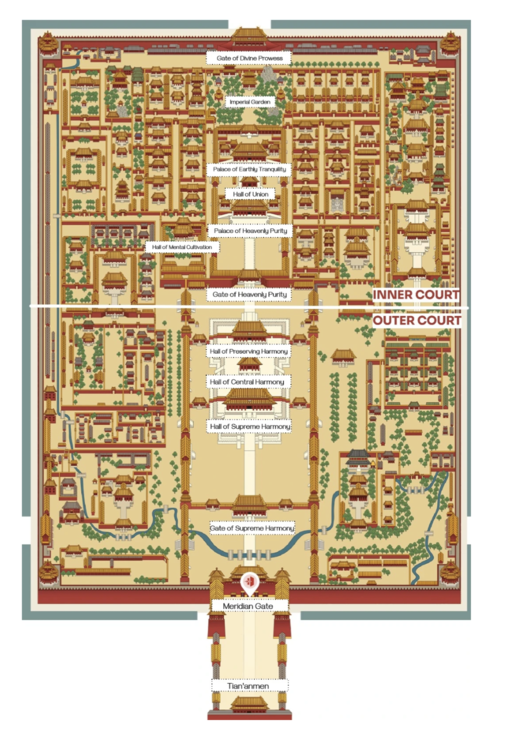
Beyond the Gate of Heavenly Purity lies the Inner Court. The private living quarters of the emperor, empress, and imperial concubines. This area includes beautiful gardens, places of worship, study rooms, and the more intimate spaces of daily palace life. The map below shows the layout of the Forbidden City and highlights a suggested route covering 12 key spots. This walking route typically takes around 2 hours to complete at a relaxed pace.
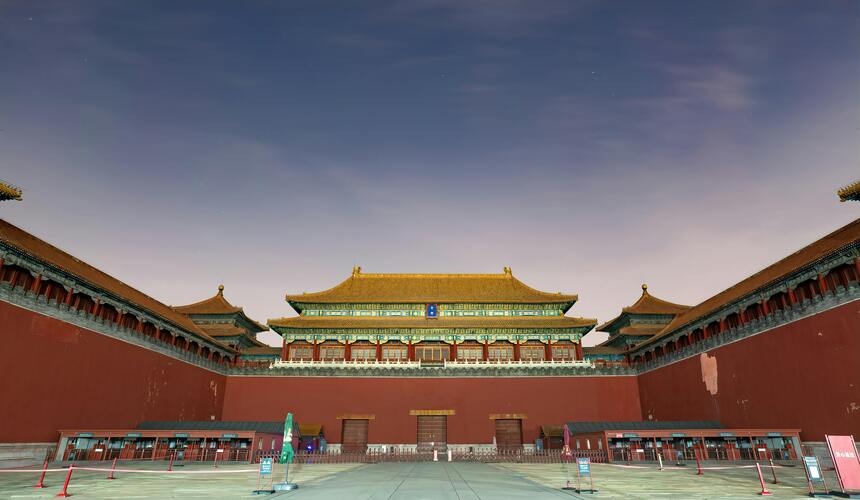
The Meridian Gate
There are five gates in total, each historically designated for different social ranks and purposes. The central gate was reserved exclusively for the emperor, symbolizing his supreme authority. On very rare occasions, it was also opened for exceptional events, such as when an empress entered the palace in a bridal sedan or when the top three scholars of the imperial examinations were formally presented after their success.
Officials typically entered through the left gate, while members of the imperial family used the right gate. This reflects the strict hierarchy and etiquette of court life within the Forbidden City.
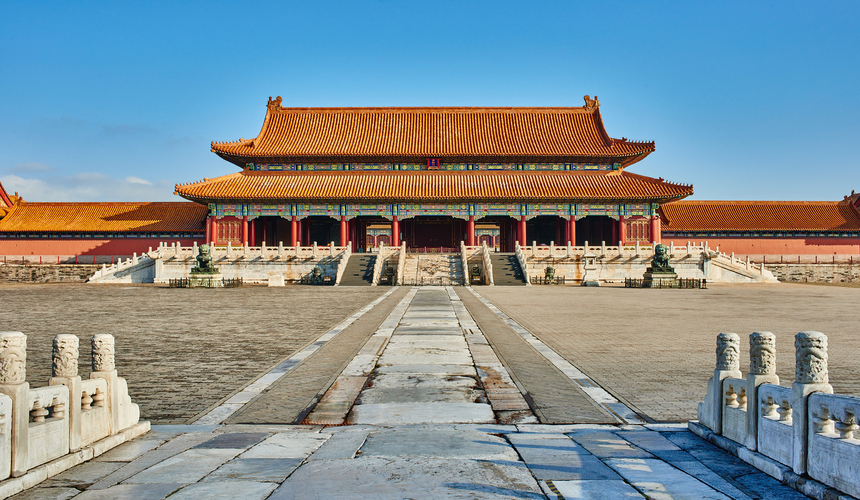
Gate of Supreme Harmony
This gate serves as the grand formal entrance to the Outer Court of the Forbidden City. The structure you see today was rebuilt in 1889, after the original gate was destroyed by fire the year before. As you step up onto the 3.4-meter-high white marble terrace, you’ll notice several symbolic elements that represent imperial legitimacy and authority. These include four bronze ding tripods, a miniature stone pavilion, and a stone case that once symbolized the imperial seals of power.
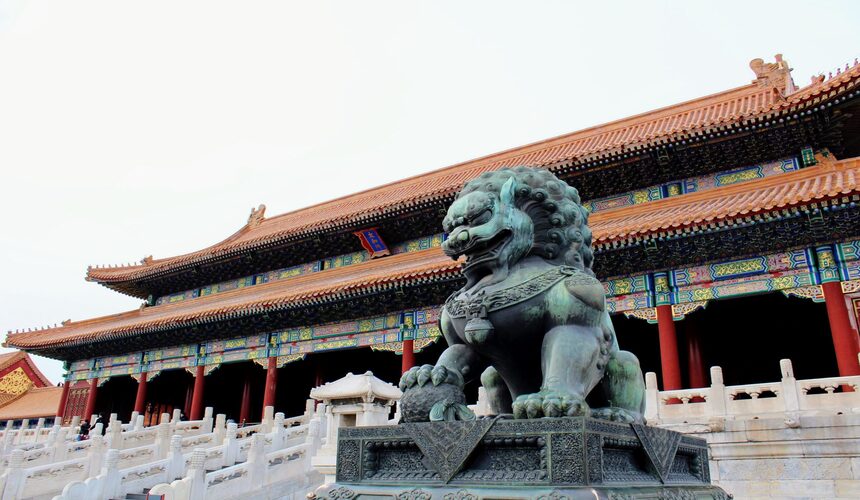
Before moving on, be sure to take a closer look at the impressive pair of large bronze lions guarding the entrance. You’ll notice that each lion holds a different object beneath its front paw, both rich in symbolism. The lion on the right is holding a ball, representing the unity and harmony of the world. The one on the left rests its paw on a cub, symbolizing prosperity and the blessing of many descendants.
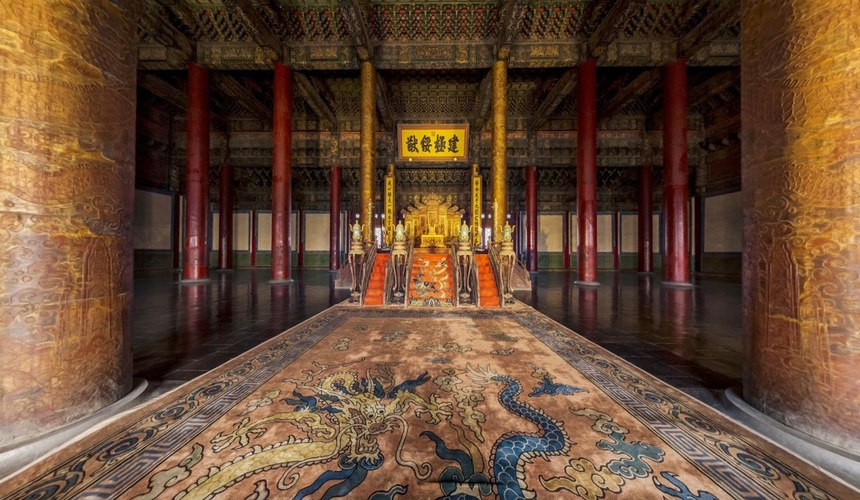
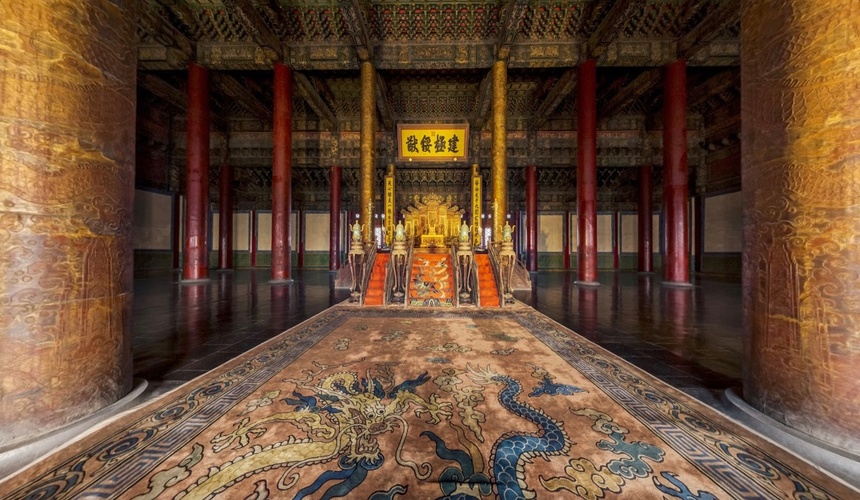
Hall of Supreme Harmony
This grand hall was where the emperor held the most important ceremonies, including ascending the throne, royal weddings, and major festival celebrations.
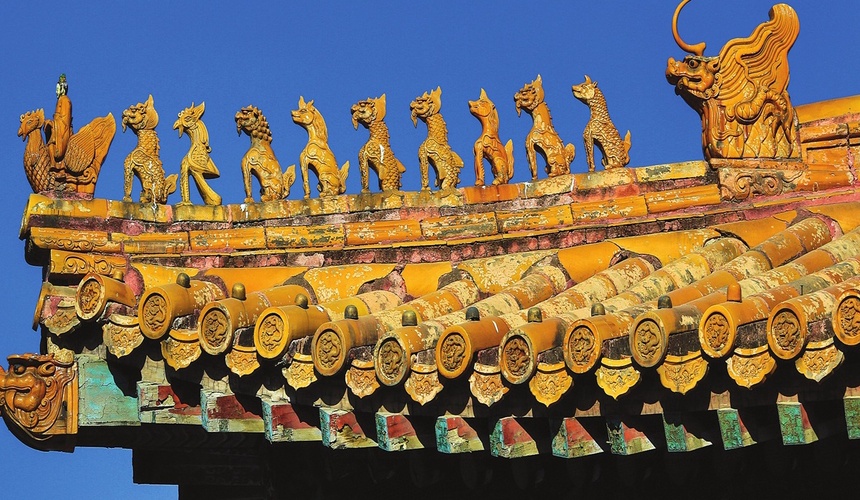
As you look up toward the roof, you’ll notice the decorative figurines placed along each corner. The Hall of Supreme Harmony is the most prestigious building in the Forbidden City, and it uniquely features ten roof figurines, symbolizing the supreme authority and power of the emperor.
Hall of Central Harmony
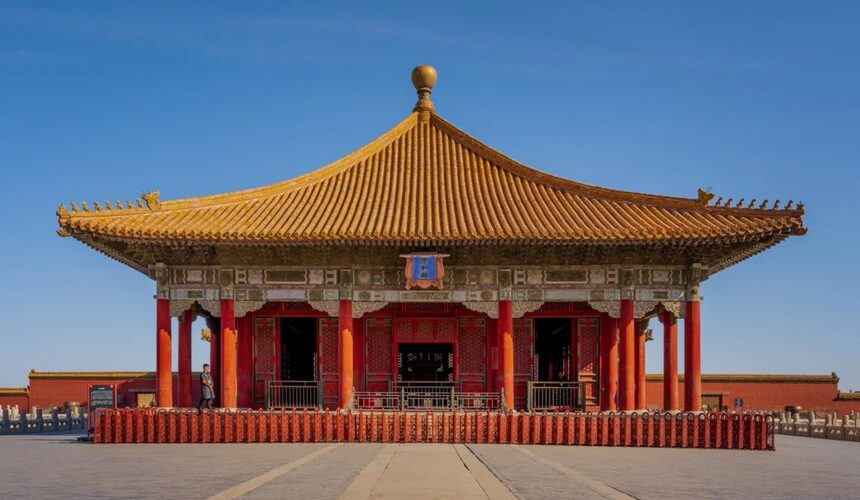
During the Ming Dynasty, this hall was used as a banquet venue where the emperor hosted princes and high-ranking officials for important imperial gatherings. In the Qing Dynasty, its role became more private and practical. It was used by the emperor as a resting place and a space to prepare before participating in formal ceremonies within the Forbidden City.
Hall of Preserving Harmony
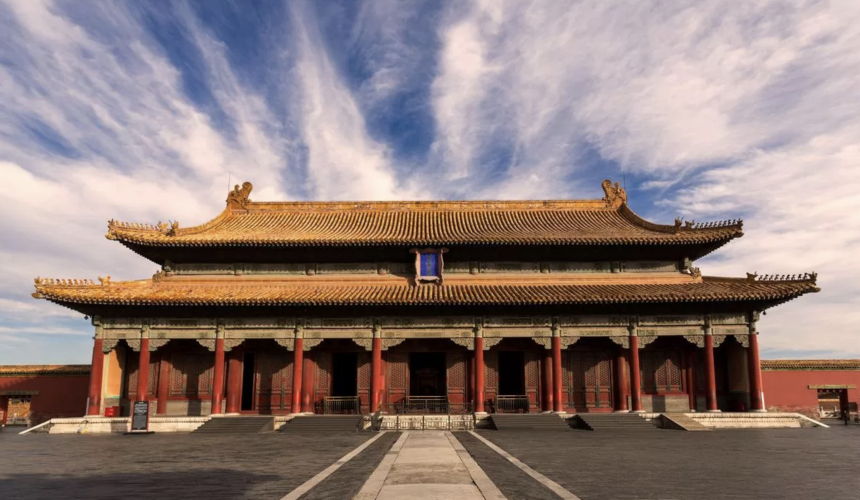
During the Ming Dynasty, this space served as a changing room where the emperor would prepare before attending important ceremonies. In the early Qing Dynasty, following renovations to the imperial residence within the Inner Court of the Forbidden City. This area was temporarily used as living quarters by Emperor Kangxi and Emperor Shunzhi.
Gate of Heavenly Purity
Beyond this gate once lay the emperor’s private Inner Court and residential quarters. As you enter, you’ll notice another pair of bronze lions, distinct from those at the Gate of Supreme Harmony. Unlike the earlier pair, these lions are shown with drooped ears. A symbolic reminder for the empress and concubines to remain discreet and avoid discussing state affairs, reflecting the strict etiquette of court life within the Forbidden City.
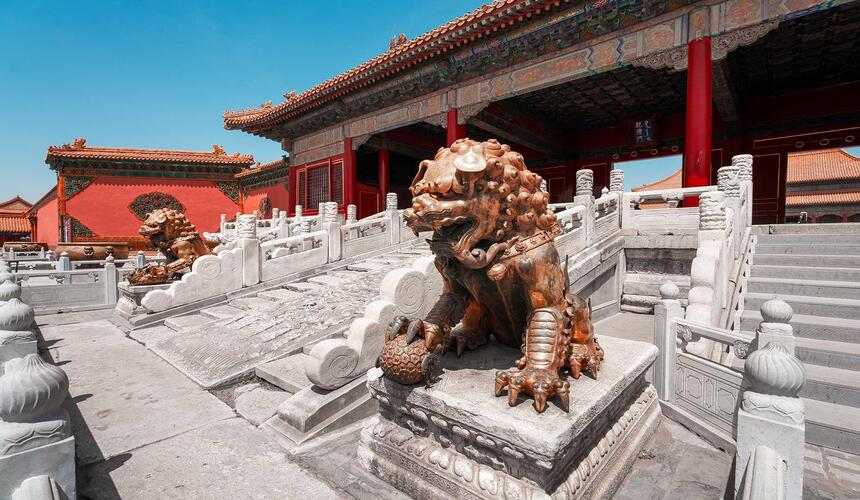
Palace of Heavenly Purity
This was the emperor’s most private living and working space, where he both conducted daily affairs and rested. It also holds an important piece of Qing Dynasty history: the Yongzheng Emperor established a secret system for selecting the heir to the throne. The name of the chosen successor would be written and sealed in a box, carefully hidden behind this panel until it was revealed at the appropriate time within the Forbidden City
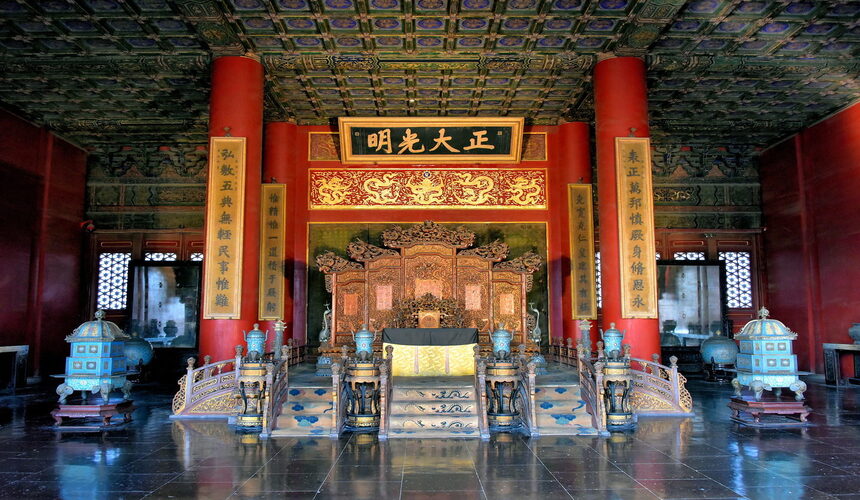
Hall of Union
This hall was traditionally used by the empress to receive greetings and well-wishes during important festivals and celebrations. You’ll also notice the elegant decorations throughout the space, where both the phoenix and the dragon are featured together. These are powerful symbols of harmony, balance, and imperial dignity.
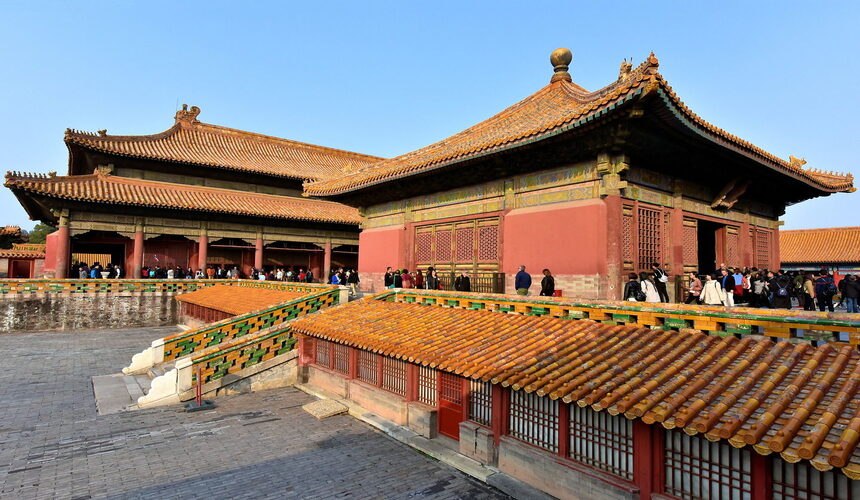
Palace of Earthly Tranquility
During the Ming Dynasty, this hall served as the residence of the empress. However, in the Qing Dynasty, it was no longer used as living quarters for the empress. Instead, it was transformed into a ceremonial bridal chamber, used by emperors such as Kangxi, Tongzhi, Guangxu, and Xuantong during their wedding rites within the Forbidden City.
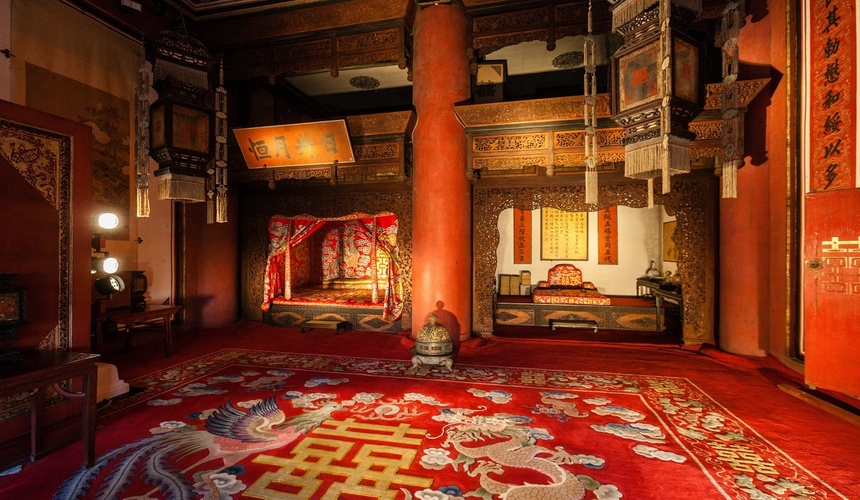
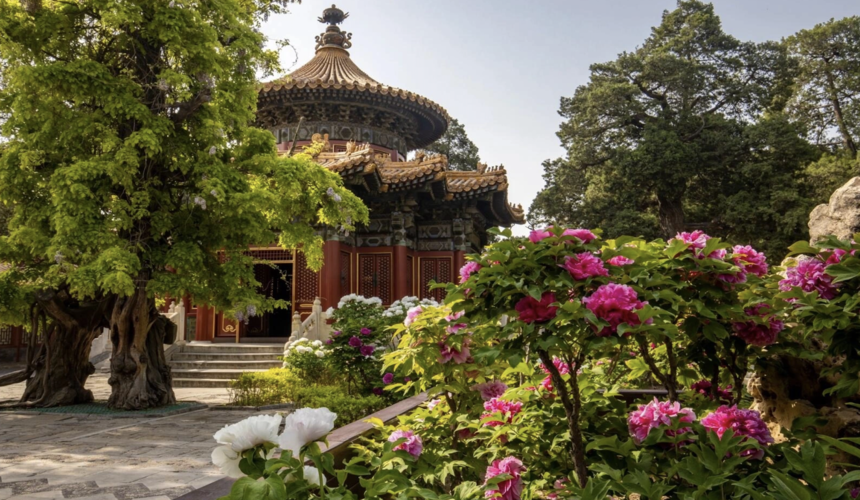
Imperial Garden
The garden was originally designed as a peaceful retreat for the emperor and his consorts to enjoy scenic surroundings, carry out ritual preparations and relax in the shaded pavilions. It also played an important role in court life. Every three years, it served as the setting for the imperial concubine selection, where young women from officials’ families were presented to the court.
There’s so much waiting to be discovered in the Forbidden City. Whether it’s your first visit or a return journey, we believe you’ll always find something new and fascinating to explore each time. We invite you to plan your own unique experience with our travel consultants. For enquiries or personalised assistance, feel free to contact us at [email protected] or connect with us on WhatsApp: +86 187 2197 8867.