

The Silk Road
Follow in the footsteps of ancient traders along the legendary Silk Road, one of the world’s most iconic trade routes. From the peaceful halls of Labrang Lamasery to the mighty Great Wall Fort and the awe-inspiring Mogao Caves, every stop reveals a fascinating chapter of history. Rich in culture, heritage and unforgettable scenery, the Silk Road promises a journey unlike any other.
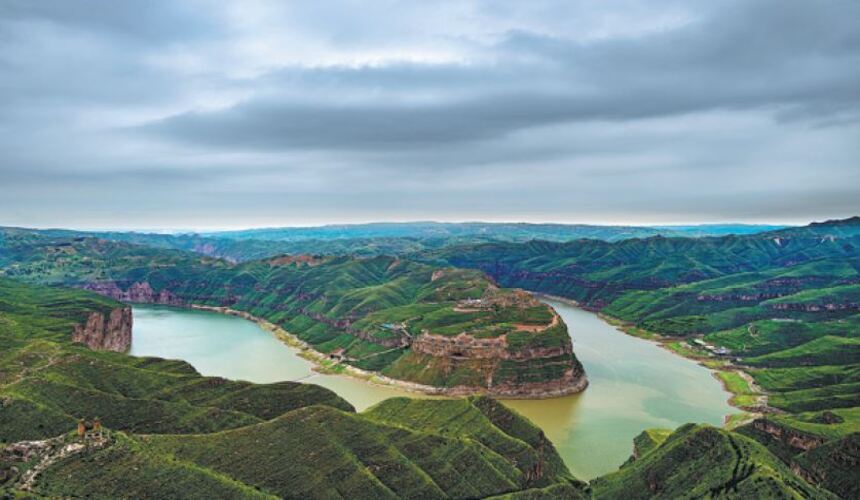


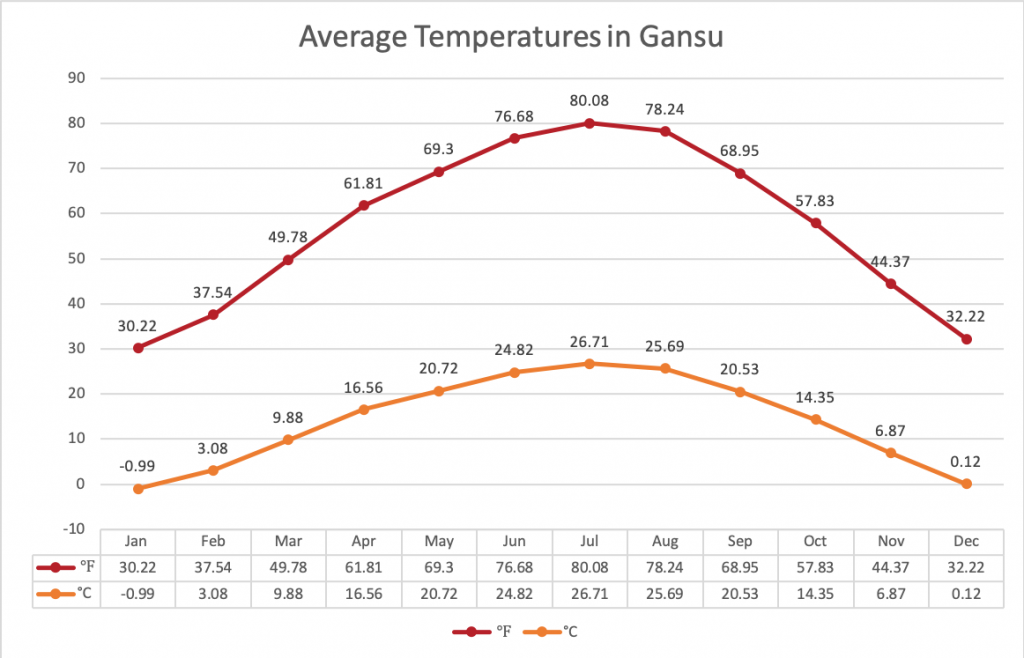
The best time to visit Gansu is from mid-spring through autumn, when the weather is most pleasant for sightseeing and outdoor exploration. Gansu features a diverse climate that ranges from subtropical humid monsoon conditions in some areas to desert and alpine climates in others. You can generally expect abundant sunshine, low rainfall, and noticeable temperature differences between day and night. Therefore, dressing in layers is highly recommended.
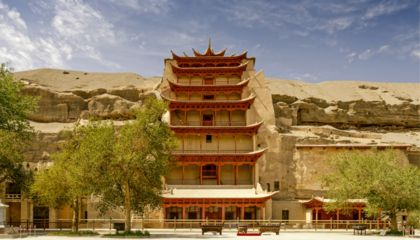
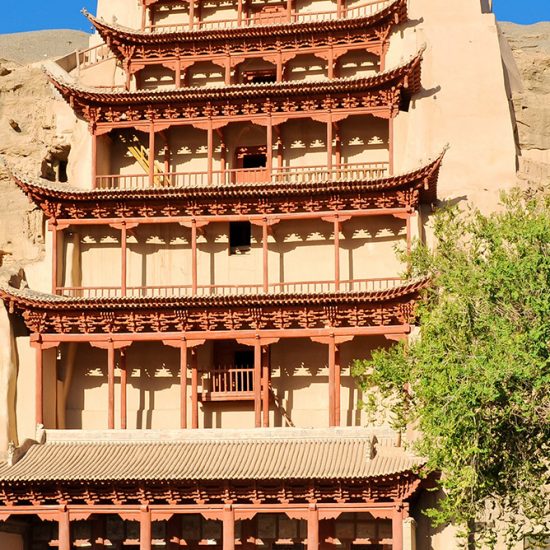
Mogao Grottoes
The fabulous artifacts, murals and sculptures are truly marvellous and will leave you in awe.The Mogao Grottoes are a man-made wonder in the desert, considered one of the most important collections of Buddhist art in the world. The site housed 18 monasteries, more than 1400 monks and nuns, and countless artists, translators and calligraphers during its peak in the Tang dynasty (618–907).
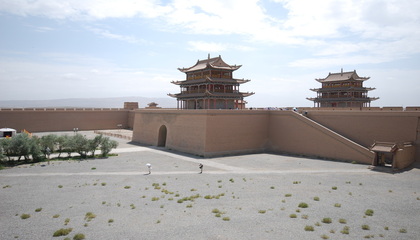
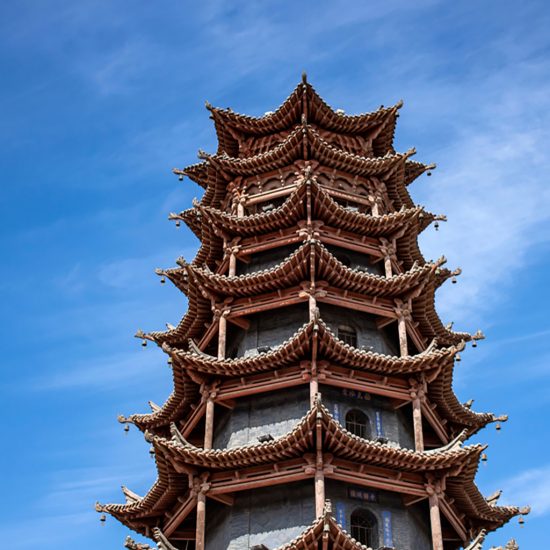
Jiayuguan Pass
During the Ming Dynasty (1368-1644), Jiayuguan Pass was the starting point of the ancient Great Wall. This massive fortress was a prominent feature of western China, serving as a guard for the narrow pass between the snowcapped Qilian Shan peaks and the Hei Shan (Black Mountains) of the Mazong Shan range.
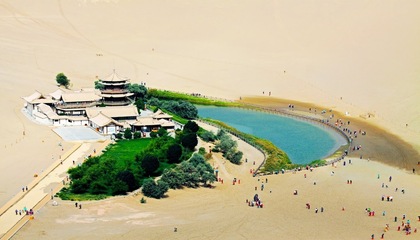
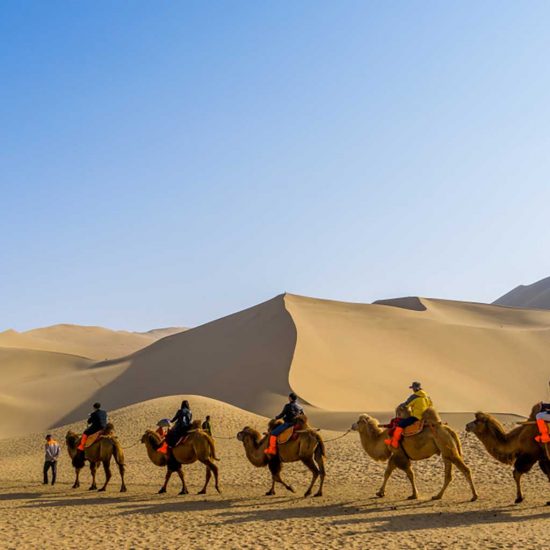
Crescent Moon Pool
Located six kilometres south of Dunhuang at Singing Sands Dune, the desert and oasis meet in a spectacular fashion. The view of the undulating desert and green poplar trees below is breathtaking. Crescent Moon Pool features several old temples. The pool is surrounded by dunes where you can enjoy sandboarding and ride a camel.
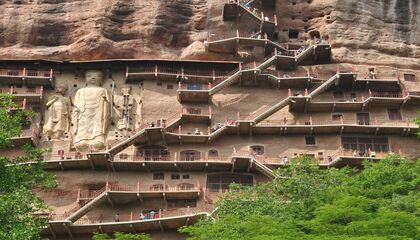
Maijishan Grottoes
Located in the wild mountains southeast of Tianshui, the Maijishan grottoes are home to some of the most renowned Buddhist rock carvings along the Silk Road. The cliff sides of Maijishan are adorned with 221 caves containing over 7800 sculptures. The cliff is lined with numerous grottoes, connected by walkways that cling dramatically to the rock.
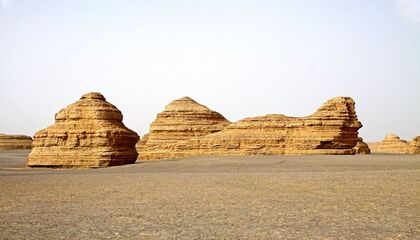
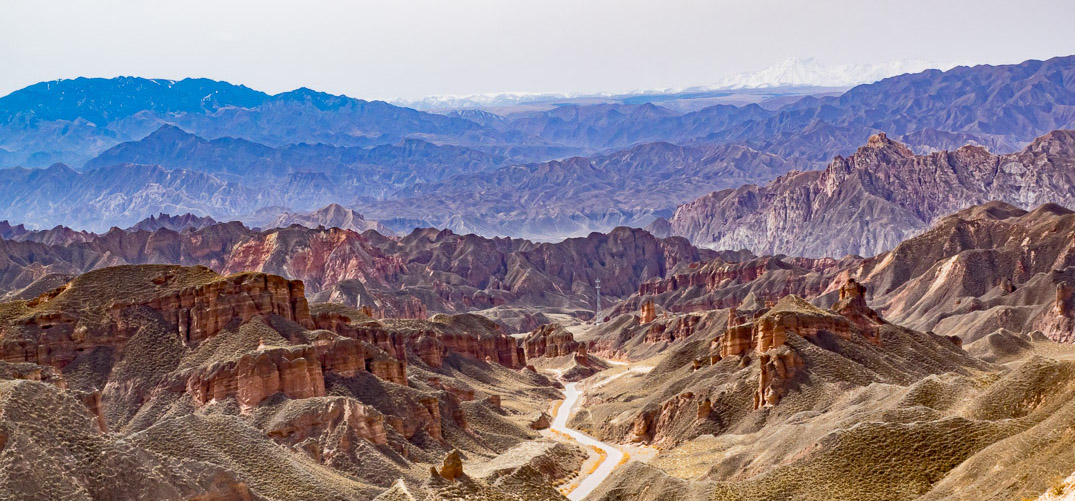
Yadan National Park
Yadan National Geological Park, also known as the Ghost City, is a rare natural sculpture museum of Yadan landform with hard and pale-red soil. Yadan National Geological Park, also known as the Ghost City, is a rare natural sculpture museum of Yadan landform with hard and pale-red soil. The strange rock formations provided the backdrop to the last scenes of Zhang Yimou's film Hero.

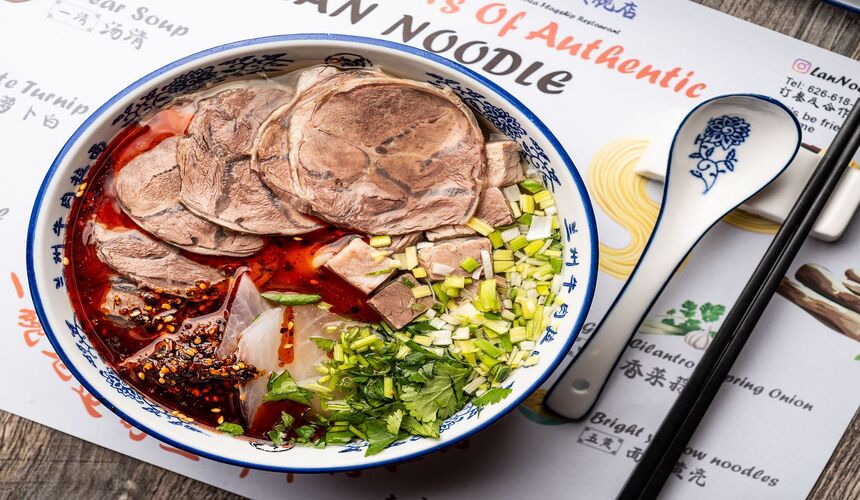

Traditional dishes in Gansu often feature beef and mutton, prepared through roasting, steaming, braising and stir-frying techniques that bring out their rich and distinctive flavours. Due to the Hui community’s Islamic traditions, pork is less commonly featured in local cuisine. Known for its bold character, Gansu cuisine makes generous use of seasonings, particularly loved for its savoury and mildly spicy flavours.
Must-try: Lanzhou Beef Noodles, Grabbing Mutton, Stir-Fried Hump with Five Shredded Toppings, Snowy Mountain Camel Hoof.
By Air
Taking a flight is the fastest and most convenient way to reach Gansu. The province is served by 10 airports located across its major cities and regions. Among them, Lanzhou Zhongchuan International Airport and Dunhuang International Airport are the two main international gateways.
By Train
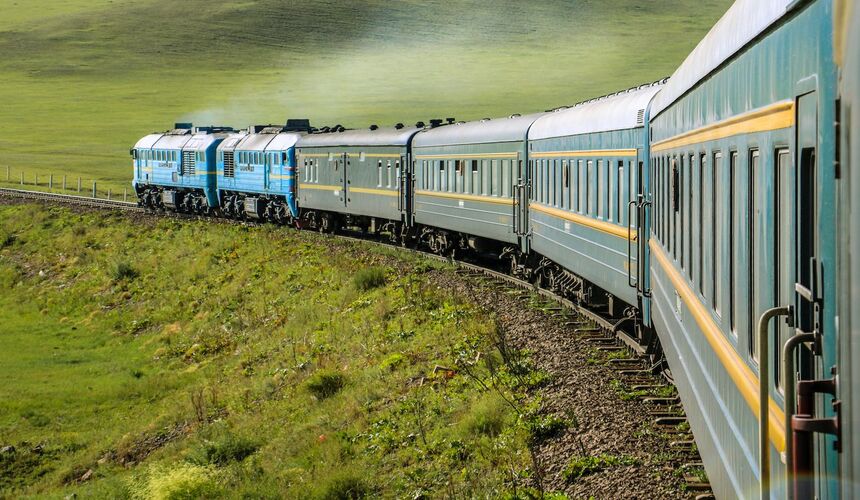
Traveling to Gansu by train is a comfortable and scenic experience, especially for those wishing to explore the historic Silk Road region. Gansu is also well connected to eastern China through major rail lines. You can easily reach Lanzhou by bullet train from cities including Shanghai, Xian, Huashan, Zhengzhou, Suzhou, Nanjing, and many others.